How clothing trends affect your identity
Fashion is beginning to feel visually uniform
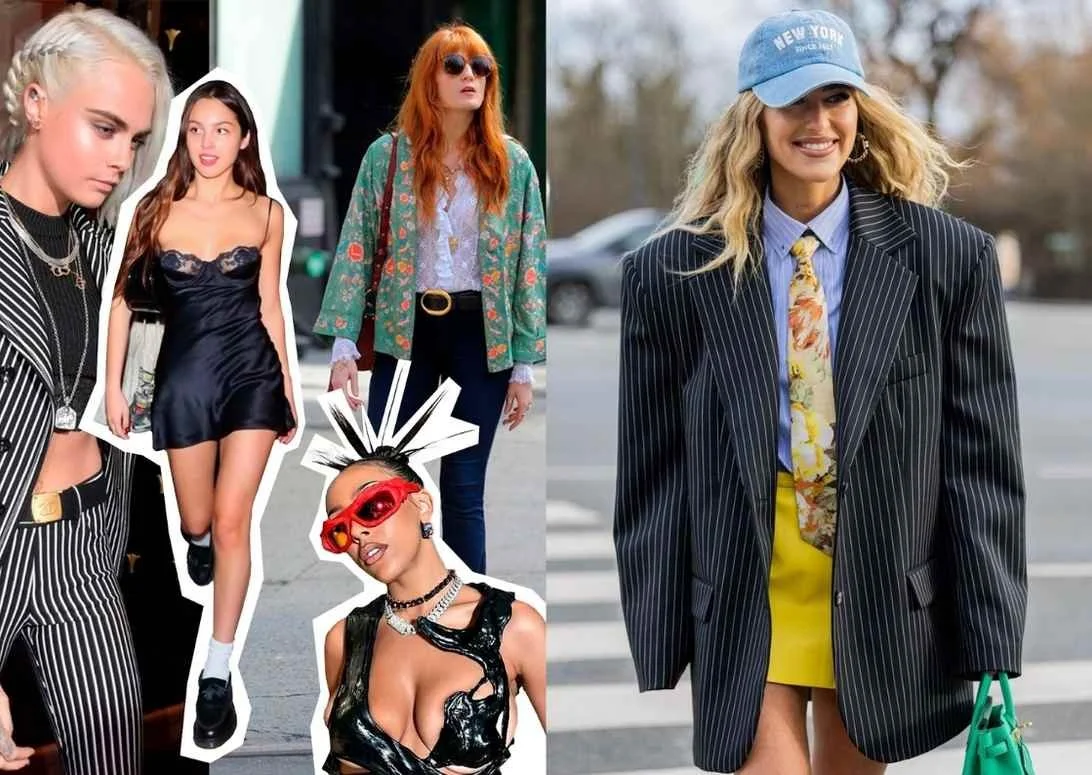
Photo Credits: Neural Fashion
When entering a clothing store, every piece looks the same. Clothing brands are increasingly producing similar styles inspired by viral TikTok aesthetics and runway trends. Allowing us to experiment and create a certain trendy social media-driven clothing style, and always staying in the loop of trends
While this has created a more uniform fashion market, consumers like us are still encouraged to buy into pre-made identities rather than develop niche styles of our own. Trendy identity aesthetics include Vanilla girl, Y2K, and Clean girl aesthetics, which are viral fashion trends on TikTok and Instagram.
So, what’s the hype?
The rise of algorithm-driven fashion trends has led many brands to alter their brand clothing to align with viral fashion trends on social media. This promotes less individuality and encourages their consumers to express their fashion identity through trend participation.
So what are these brands trying to promote? From the sculpting crew necks to low-rise baggy jeans. You see it everywhere.
From what we’ve seen, algorithm-driven fashion trends have made these brands look extremely similar, and none of them really stand out. These brands define the trends by creating limited options for shoppers to create their personal style.
Hollister, owned by Abercrombie & Fitch, outperformed its parent label in the most recent quarter. According to chief executive Fran Horowitz during a November earnings call, Hollister’s same-store sales climbed 15 per cent year-over-year. The brand’s clothing collections are immersed in algorithm-friendly aesthetics like the Clean Girl and Vanilla Girl aesthetics.
Consumption replaces creativity
There is an underlying issue in our society where fashion negatively affects our personal identity, and people often use clothes to express personality, values, culture, or creativity.
If everyone buys the same trend-led styles, identity becomes shaped by social media rather than self-expression. Trends like Vanilla girl, Clean Girl and Quiet Luxury aesthetic create visual standards people feel pressured to follow to seem attractive, relevant, or socially accepted.
Instead of styling unique combinations, people are encouraged to purchase entire curated aesthetics. TikTok trends move fast, so identity expression becomes temporary and disposable rather than authentic or lasting.
