Why K-beauty is blurring your skin reality
As glow skincare sales surge globally, K-beauty skincare and makeup brands are selling radiance less as skin and more as a social media filter.
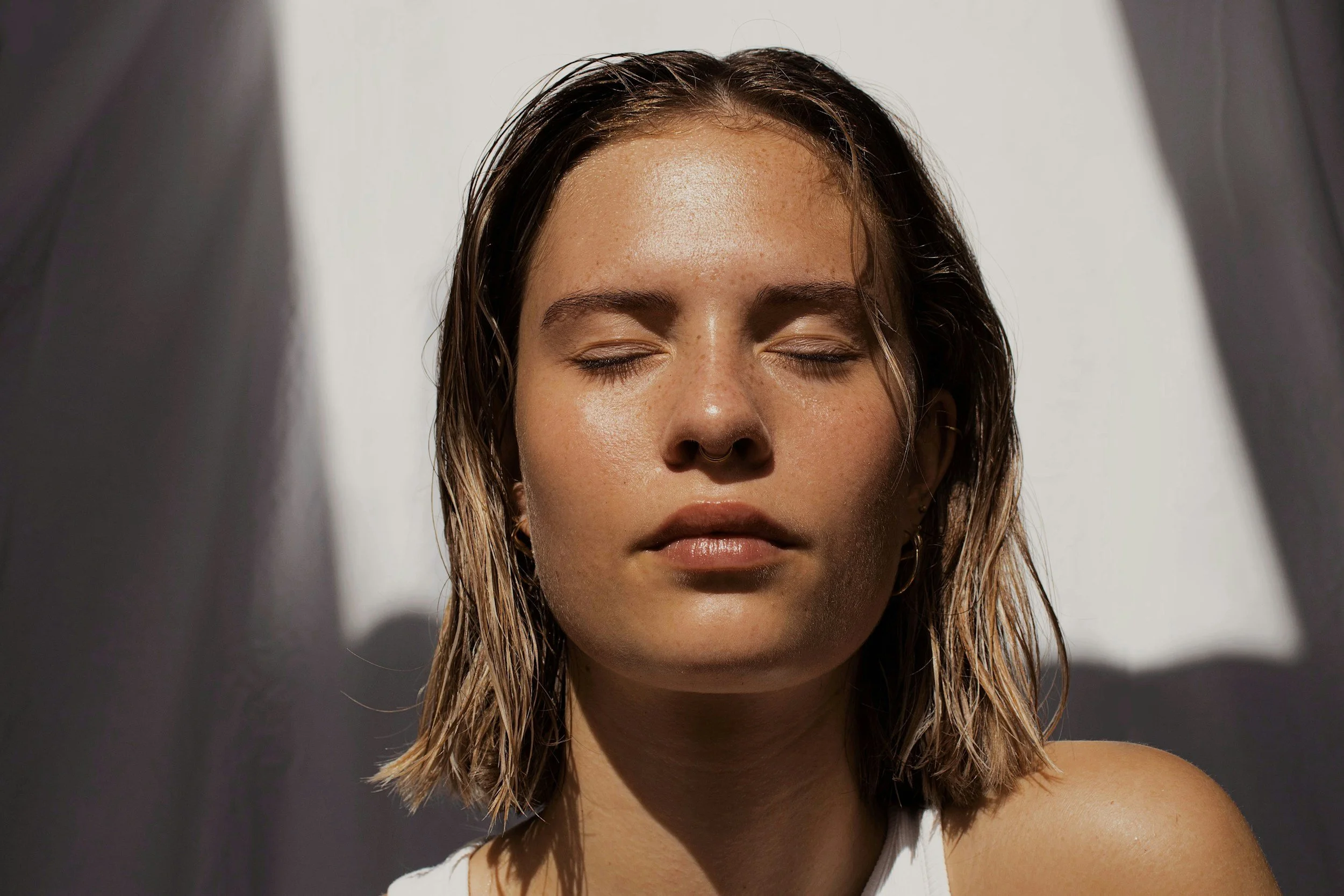
K-beauty skincare and make-up are increasingly gaining global popularity. Phrases like glass skin, glazed doughnut and dewy skin are heard daily as soon as we open TikTok and Instagram. To some extent, having glowy skin can be a sign of good hydration and healthy collagen levels. But in reality, redefining our sense of healthy skin to the point of skin distortion to look like an Instagram filter in real life.
The Illusion of Skin
In 2026, beauty is increasingly defined by luminous, skin-like finishes, and the recent K-beauty market growth reflects this. Luminous foundations, lip products and skincare have become the fastest-growing facial makeup and skincare category, projected to hit $20 billion globally as consumers favour sheer formulas that enhance rather than mask.
Meanwhile, social media is intensifying the pursuit of radiance skincare trends, as Korean skincare and makeup are growing more than 20% year-on-year. Popular hashtags like “glass skin” and glazed doughnut continue to dominate social media feeds, transforming glowy skin into a global beauty ideal to achieve healthy skin.
Ingredients in skincare and make-up, such as Niacinamide, Vitamin C, Hyaluronic acid and Glycerin significantly contribute to a glassy, luminous and wet-like texture to the skin. The ultra-positive effects of these ingredients are undeniable. But the obsession to look like a ‘glazed doughnut’ (As Hailey Bieber would like to call it) has its own downside because it changes our sense of healthy skin.

Hailey Bieber. Photo from Instagram
Skin beauty without the blur
The K-beauty trends are making us value the skin illusion. It wants to make people want to look like an Instagram filter. These skincare and make-up products are concealing what’s natural about our skin’s natural biology. Our skin does not have to look glowy to appear healthy. We cannot have clear skin. Moles and blackheads on the face and body are natural.Healthy skin is human skin, not a high-definition illusion. The ‘glow’ people are chasing often exists most perfectly through a lens, not in real life. Viral terms like ‘glass skin’ are very misleading. Our skin is not engineered to look like one.
Real skin has texture, movement, shadows, lines, and life. Yet social media continues to blur the boundary between healthy skin and visual fantasy, encouraging people to pursue an appearance shaped more by lighting, filters, and algorithms than reality itself.
Perhaps the most beautiful kind of radiance is not the one manufactured through shimmer or distortion, but the kind that comes from feeling grounded within yourself. Confidence, rest, kindness, emotional well-being, and self-respect have a way of changing a person’s face far more deeply than any illuminating serum can.
A healthy sense of self allows beauty to exist without constant correction. In a culture obsessed with perfect surfaces, there is something quietly powerful about allowing skin to simply look human.
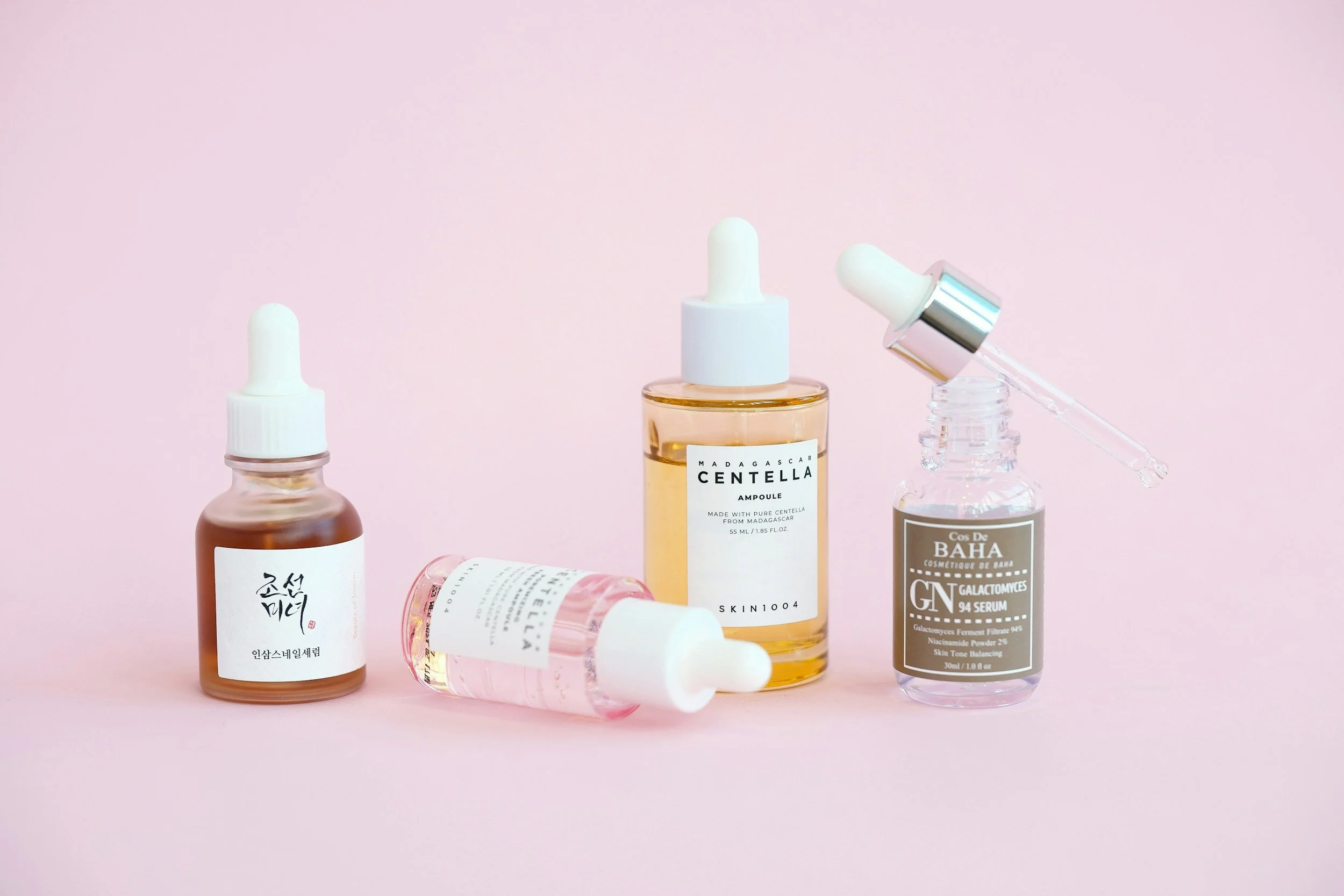
How healthy, radiant skin looks offline
Skin naturally has texture, pores, fine lines, and uneven tone
Most viral “glass skin” imagery is enhanced by lighting, filters, or editing
Reflective makeup works by diffusing light - not changing skin itself
True skin health is linked to sleep, stress, nutrition, and well-being
Confidence and self-perception shape attractiveness more than perfection
