Let your closet breathe before you transform it
The impulsive purchase trend has become viral recently. As algorithms and trends constantly accelerate fashion’s evolution, letting your style settle becomes an act of choosing authentic self-expression over novelty.
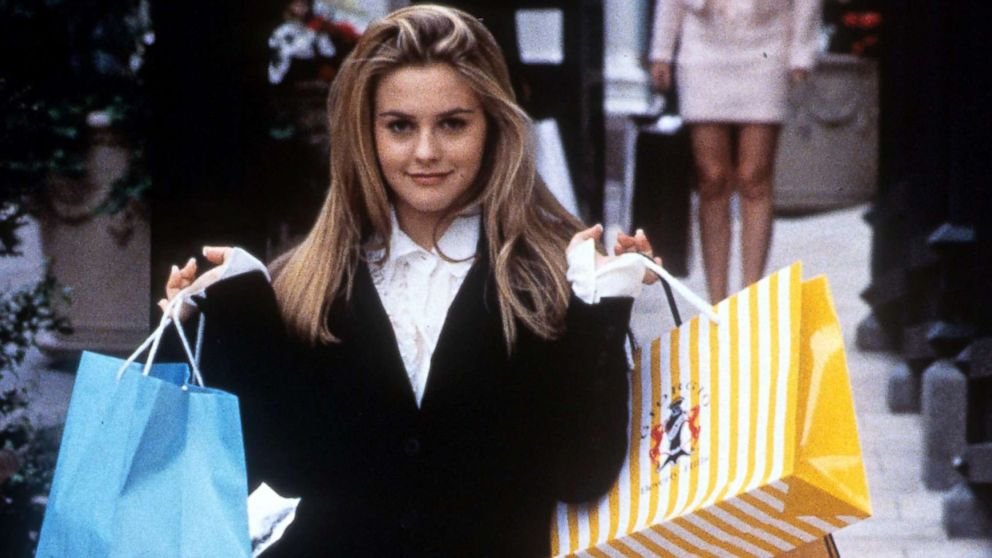
The impulsive purchase trend has altered our perception of what we should and shouldn’t wear. Influencers and celebrities are constantly promoting viral fashion trends that we’re obliged to follow. But it doesn’t have to be this way.
Today, I see people pulling off trendy and viral fashion trends, and yet, I don’t see anything original or authentic past it. People are so committed to follow clothing trends that it hinders the expression of their personalities. You really can’t tell who they are.
So this post will talk about the issue of fashion conformity, which is not being talked about enough.
Normalisation of impulsive purchasing
Ultimately, influencers and celebrities have one simple agenda: to promote products to monetise their curated online presence.
It is very understandable. Leveraging high trust and engagement with their followers to drive brand sales has become ‘the way’ to function as an influencer in the world of content creation.
ONS research data found that the average person in Britain makes 42 impulse purchases each year, spending around £943.44 annually, which adds up to an estimated £64.4 billion across the UK.
The figures are even higher among younger adults. Clothing and fashion items were identified as the second most common impulse buy, with 43% of Britons saying they frequently purchase them spontaneously.
A 2025 peer-reviewed study of 643 Gen Z consumers found that both brand-generated and user-generated content on TikTok and Instagram positively influenced fashion purchase intentions.
This can be a good and bad thing. There is absolutely nothing wrong with buying trendy or viral pieces of fashion clothing every once in a while.
But I believe there should be some limits set on the impulse-buying culture. That is so loudly justified online.
It seems people are listening to the online noise. We have become faithful consumers of the system.
Take a look at yourself. You spend the entire day ‘doomscrolling’ after work because you want to ‘unwind’ from the daily pressures of life.
You have stopped engaging. Your brain has absorbed the content it keeps seeing. Every. Single. Day.
Social media algorithms are drilled into our minds, and we don’t even do anything to change this. This is literally ‘mindset reprogramming’.
According to the statistics by Invesp, 84% of shoppers have made impulse purchases, and about 40% of all the money spent on e-commerce is attributed to impulse purchases.
Research suggests that when consumers see a product or receive a promotional message, the brain’s reward system is activated, triggering the release of feel-good chemicals like dopamine. This can create a sense of instant gratification and pleasure, increasing the likelihood of an impulse purchase.
Appreciate what you have
I’m not saying to ditch impulse-buying or following viral fashion trends. What I want you to do is be aware of the social media trend shaping your lifestyle choices.
The impulse buying trend is just an act of wanting more, and never truly appreciating what you currently have in your wardrobe.
To let your individuality shine brightly, I want you to experiment with your true inner style – without the need to buy the next viral piece of clothing to make you happy.
Instead of impulsively following the next viral fashion trend. Let your inner style settle and develop on its own.
You do not have to consume every single trend that gets thrown at you through a phone screen.
Impulsive buying and following this trend will surely make us gradually lose our individuality. We must let our inner sense of style shine through. It is a truly beautiful way to be the authentic you and appreciate what you have in your wardrobe.
By letting our current sense of style settle and develop on its own. You are preserving and maintaining your fashion diet without following viral trends.
