Exhaustion is the new Gen Z aesthetic
In a world of rising costs, job insecurity and constant instability, Gen Zs are embracing burnout
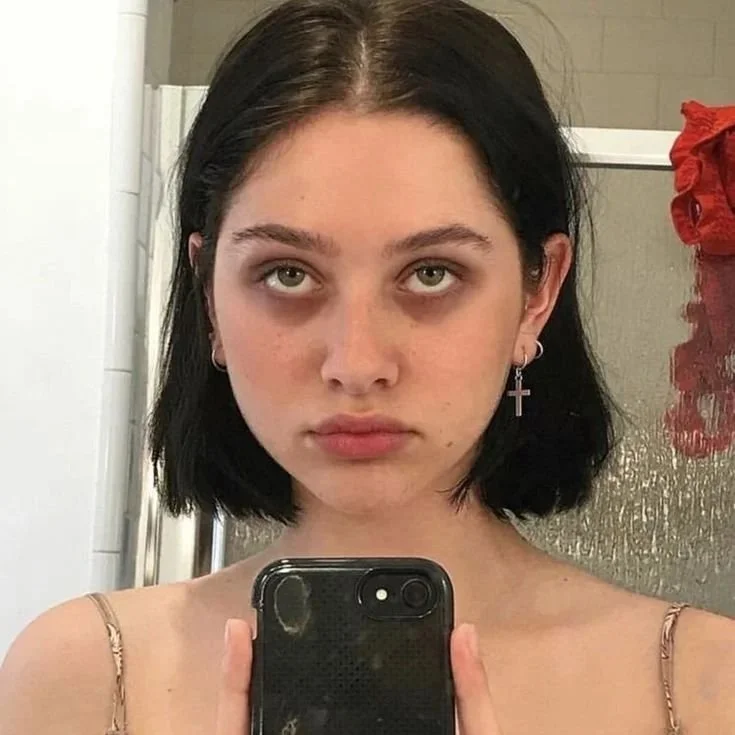
Rising inflation, war, booming oil prices, terrible work hours, and a million other commitments push Gen Zs into turning their stress into something to romanticise about.
2026 didn’t ease us in gently. It hit hard. Wars across regions, declining economies, high oil prices, and a global job crisis have created a constant sense of uncertainty within the younger generations who are just starting to experience the big things in life, such as stable income, employment, travel plans, etc. It’s not just background politics anymore; it’s something personal that‘s affecting our lives deeply.
A UKG global study found that 83% of Gen Z employees report the highest levels of work-related stress. This number isn’t surprising when you look at the job market, as nearly half of hiring managers admit they consider age when reviewing resumes, and many openly show bias toward young generations due to their lack of experience.
Naturally, employed Gen Zs are overcompensating by working longer hours. Saying yes to everything, as they are constantly trying to prove they are worthy in the run-by baby boomers and Gen X corporate world.
Tiredness isn’t just a feeling anymore. Recently, it has become a strange kind of pride for young people. They don’t just say “I’m busy,” but rather say “I slept three hours” and make it an aesthetic. The burnout aesthetic has become a form of romanticism of toxic work culture, including juggling personal hobbies.
Burnout has turned into a personality trait for young people. Something to flex about. But underneath it? It’s all mental and physical exhaustion.
Is the 2008 post-recession core making a comeback?
Back in 2008, during the global financial crisis, hustle culture exploded. It was all about pushing through, working harder, and building something from nothing. The messaging was simple: grind now, enjoy later. And people bought into it. There’s a familiar pattern now that we’re facing a global economic decline.
Late-night shifts, side hustles, and constant productivity were romanticised. It felt necessary and even hopeful. Fast forward to now, the same energy is back, but it feels different as everything we do can now be shared on social media. Free time feels expensive. Rest feels guilty. Taking a break almost feels irresponsible. The idea of “slowing down” doesn’t fit into a world where everything is getting more costly and more competitive.
The pressure to climb faster, higher, and sooner is intense. Our routines have become a competition. We’re grinding outside work hours. Exhaustion has become part of the process. Not something to avoid, but something to expect.
Whether it’s waking up at 5 am for Pilates before a full workday, squeezing in a side hustle after hours, or constantly tracking spending just to stay afloat. There’s this underlying sense that we’re all preparing for a future that feels far away. It mirrors that post-2008 mindset, saving, pushing, enduring with the hope that someday things will feel easier.
But this time, that “someday” feels more uncertain than ever.
Burnout chic is the new status symbol
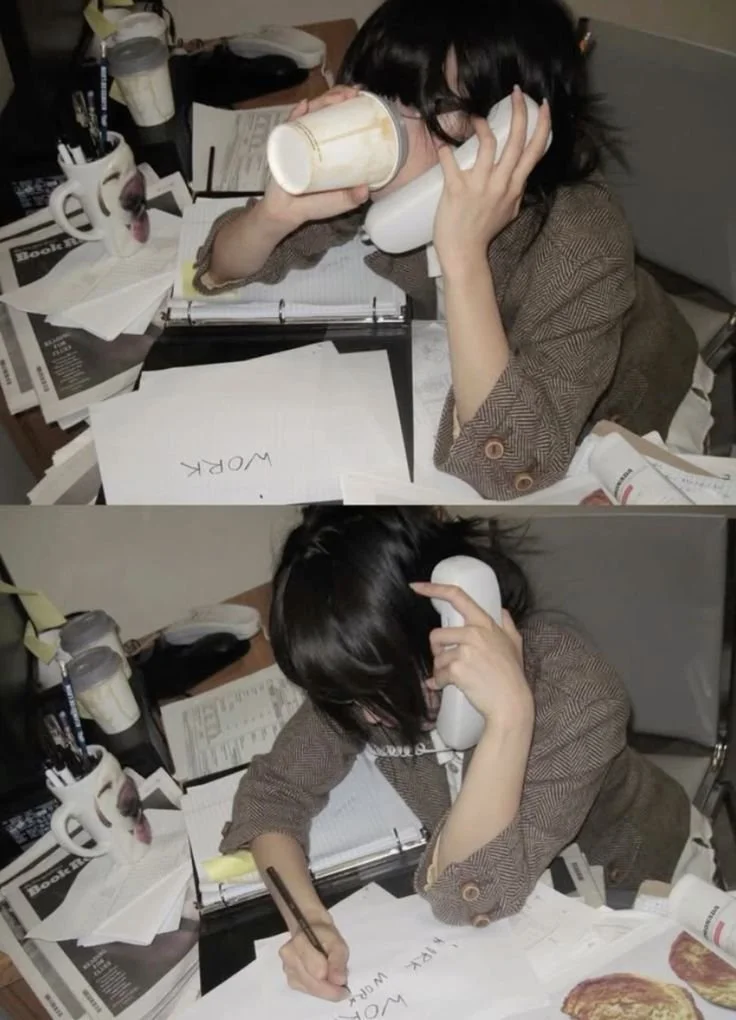
Suddenly, everybody is waking up at 5 am. Morning routines are longer. Workdays stretch endlessly. Even downtime is scheduled and optimised. There’s always something to improve, something to fix, something to chase and it’s all being documented.
From “day in my life” TikToks to aesthetic posts of coffee-fueled mornings and late-night work sessions, burnout is no longer hidden. It’s: Curated. Styled. Shared. This is what people are starting to call burnout chic.
It looks polished on the outside: clean desks, minimal outfits, soft lighting, but the reality behind it is anything but calm. It’s stress, pressure, and fatigue wrapped in good lighting and neat captions.
Because when exhaustion becomes aspirational, we stop questioning it. We stop asking whether this pace is sustainable. Whether it’s healthy. Whether it’s even necessary. Instead, Gen Zs have adapted to this. Normalising the toxic hustle culture.
We normalise running on empty. We joke about burnout. We wear it lightly, even when it’s weighing us down. But there’s a cost. Constant stress doesn’t just disappear. It builds. Quietly. Slowly. Until it shows up in ways we can’t ignore: fatigue, anxiety, lack of focus, even resentment toward the very goals we’re chasing.
And yet, the cycle continues. Because stepping back feels risky. Slowing down feels like falling behind. So where does that leave us? Gen Z isn’t just dealing with one problem; it’s navigating a perfect storm of economic pressure, workplace expectations, and digital culture. A culture that not only reflects reality but amplifies it.
Documenting life helps people feel seen and creates a connection. It turns individual struggles into shared experiences, but when that documentation starts turning burnout into something desirable, something aesthetic, something to aspire to: that’s where the line blurs.
It shouldn’t be the goal, and it definitely shouldn’t be the price of proving your worth. Maybe the real shift isn’t about waking up earlier or working harder, it’s about redefining what success actually looks like in a world that feels constantly on edge.
