When tourist expectations fade, local culture becomes alive
80% of travellers will pay for experiences that feel personal and rewarding, reflecting a broader shift in how people choose to travel, prioritising meaning and emotional connection over conventional sightseeing
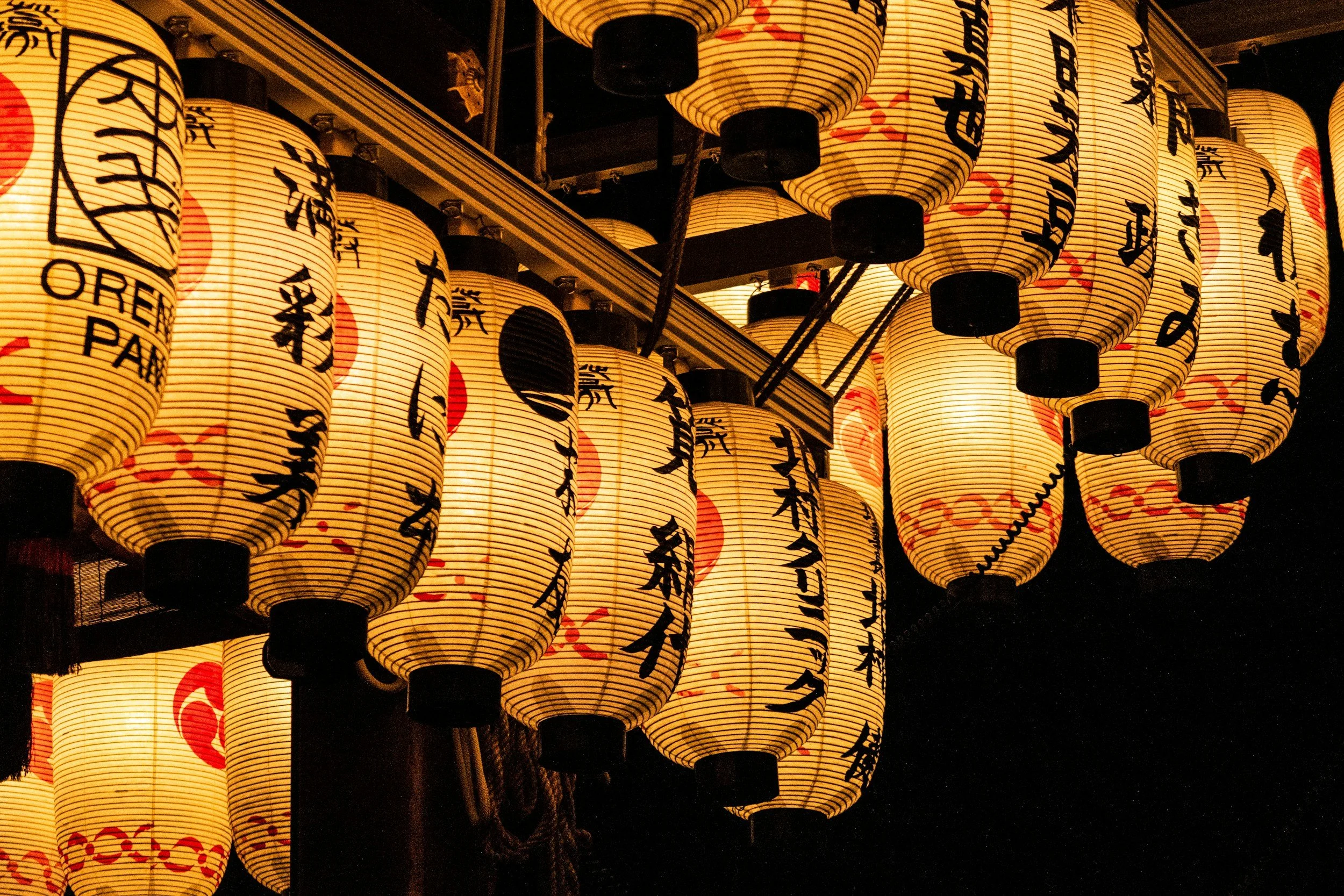
We keep certain expectations when going on holiday to an entirely new country. We expect to see postcard-like attractions, sunny weather, scrumptious local food and unique architecture.
The tourism-heavy city like Tokyo (Japan) challenges those assumptions, revealing that it's far more layered than tourists think.
There is much more to see than the ancient temples, museums, and architectural landmarks. Touristic cities, given the overcrowding of international tourists everywhere, have lost their cultural spark.
They feel grey, noisy, confusing, too modern, too touristy and too ordinary. This creates a tension between what is meaningful and what is not (in seeing the tourist attractions)
There is often a moment: quiet and slightly disorienting. When expectation and reality fail to meet. Now, arriving in a new city rarely feels like the special experience we tell people about.
The streets can feel louder than imagined, the skyline less cinematic, the rhythm of daily life harder to decode. As a tourist, nothing about experiencing a new country feels special anymore.
Getting the first impression of the city, everything is filtered through comparison, to postcards, to films, and social media of what a place should be.
It is a kind of emotional distance, where even beauty can go unnoticed because it does not yet speak a familiar language. We are more likely to be overstimulated than rejuvenated by our travel experiences.
A Skift report on the Global Hotel Alliance’s 2026 travel trends finds that 42% prefer unplanned, slower trips focused on relaxation and wellbeing.
It highlights a clear shift from quantity to quality, with growing demand for authenticity and restoration. People want to be able to feel the travel experience for their personal well-being.
It also points to a “selective splurge” mindset, where nearly 80% of travellers are willing to spend on meaningful upgrades, and 86% refuse to compromise on hotel standards, signalling a preference for personal, rewarding experiences over status-driven luxury.
This shift suggests that modern travel is becoming less about ticking destinations off a list for modern travellers and more about curating moments that feel personal, restorative, and emotionally resonant.
We need to bring back the art of travel fulfilment. We need to be able to feel our travel experiences. This is why Iridescent Philosophy explores this issue in-depth.
Tokyo expectations
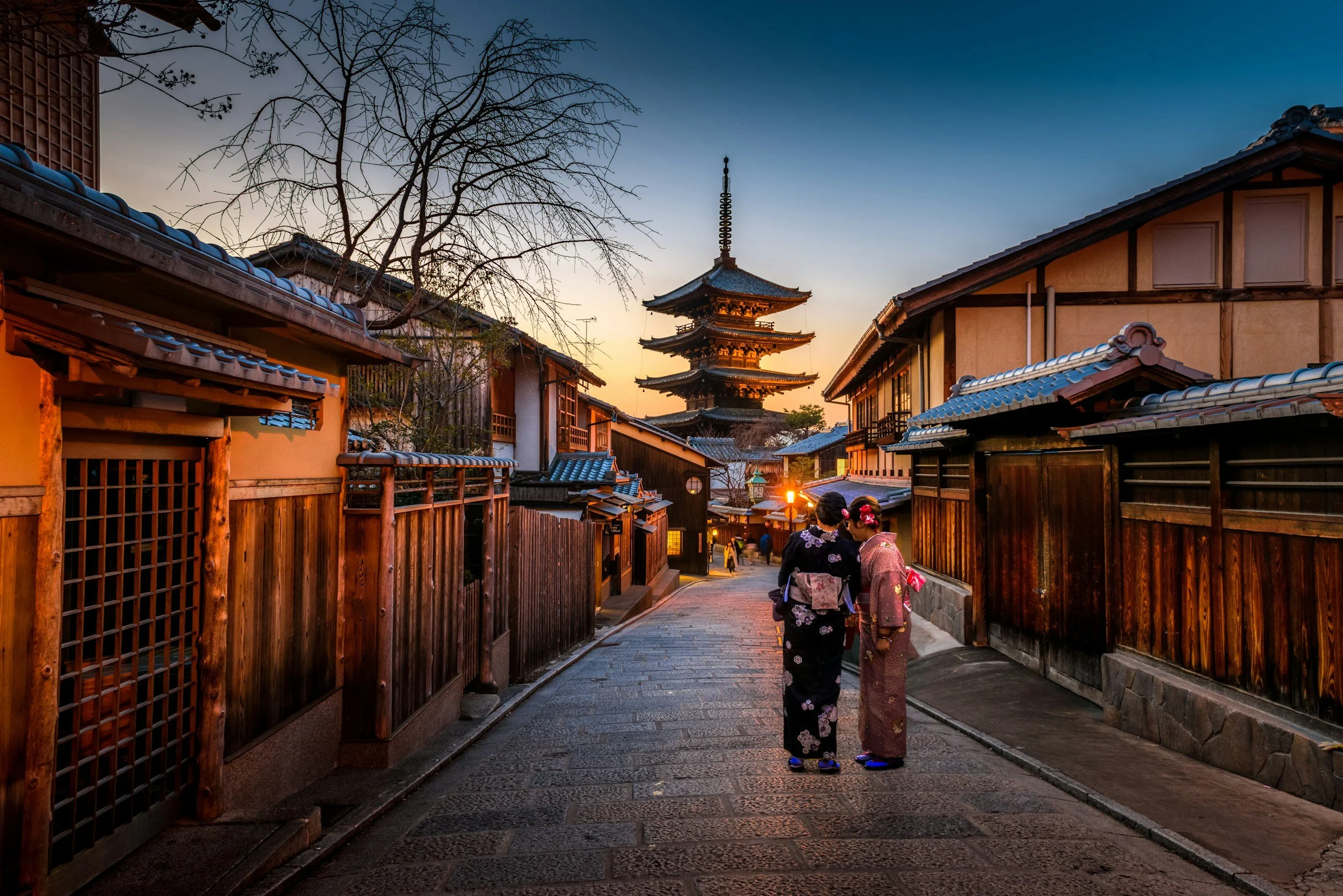
Tourists arrive in Tokyo expecting nonstop excitement, only to find themselves overwhelmed by the crowds, flashing billboards, and constant noise of places like Shibuya, Shinjuku, Harajuku, and Akihabara.
They rush between the famous scramble crossing, packed shopping streets, themed cafés, and endless souvenir stores, spending heavily on trendy meals and viral desserts that often feel designed more for photos than enjoyment.
Days become a blur of queues at landmarks like Tokyo Tower and crowded visits to Senso-ji, temple all while trying to tick off every “must-see” location.
Chasing a version of Japanese culture built by social media and travel lists, many never slow down enough to experience the city’s quieter beauty. Instead of feeling inspired, they end their trip drained, overstimulated, and carrying exhaustion rather than joy.
Discovering the quiet soul of Japan
You just checked out of your hotel to do some sightseeing in Japan’s capital. Standing silently with commuters on an early morning train, you can’t help but blend into the shared choreography of patience and respect in its commute culture. You hear a gentle call of “Irasshaimase” (meaning Welcome in Japanese) from a small family-run restaurant as you enter.
Later in the day, you watched office workers, students, and families relaxing together beneath cherry blossoms in parks like Ueno Park, then wandered through peaceful residential streets where carefully arranged potted plants sat outside narrow homes.
Between the bright signs and busy streets of Tokyo, you discovered shrines such as Hanazono Shrine tucked beside the modern buildings. Even a simple meal from 7-Eleven is thoughtfully made as you eat and slowly savour the moment.
Later, in Shinjuku, jazz drifted from a basement bar while outside, people queued calmly in the rain. You realise that beyond the city's neon-lit skyscrapers and bustling nightlife, Tokyo’s energy also comes from the social responsibility, quiet discipline and mutual respect that shape daily life in Japan
Shifting travel expectations
Tokyo reminds us that what appears exciting on the surface is not always fulfilling beneath it. Its bright lights, crowded crossings, and famous landmarks may dazzle the eye, yet quietly drain the spirit when experienced without pause.
When travel becomes a checklist of viral places, we risk seeing only one angle of a city and missing the deeper essence of Japanese culture - a quiet philosophy shaped by respect, harmony, discipline, and a deep sensitivity to detail in everyday life.
With a shift in perspective, Tokyo will begin to reveal itself through its overlooked moments: the silence of a morning train, the careful bow of service in a small shop, the patience of strangers queuing in the rain, and the calm order hidden within its busiest streets. Every city or place is iridescent, and so can be your travel experience.
The ordinary is never truly ordinary when viewed with presence and curiosity. Meaningful travel begins when we choose to slow down, noticing how a place feels, not just how it looks. Tokyo teaches that energy and peace can exist side by side, and that the true essence of Japan often lives not in its loudest attractions, but in its quiet details waiting to be seen differently.
